
Product guidance
The 1TB Coffee Machine: Why Your IoT Inventory Is a Security Black Hole
Discover how unmonitored connected devices cause network saturation and how original carrier metadata supports proactive IoT infrastructure management.
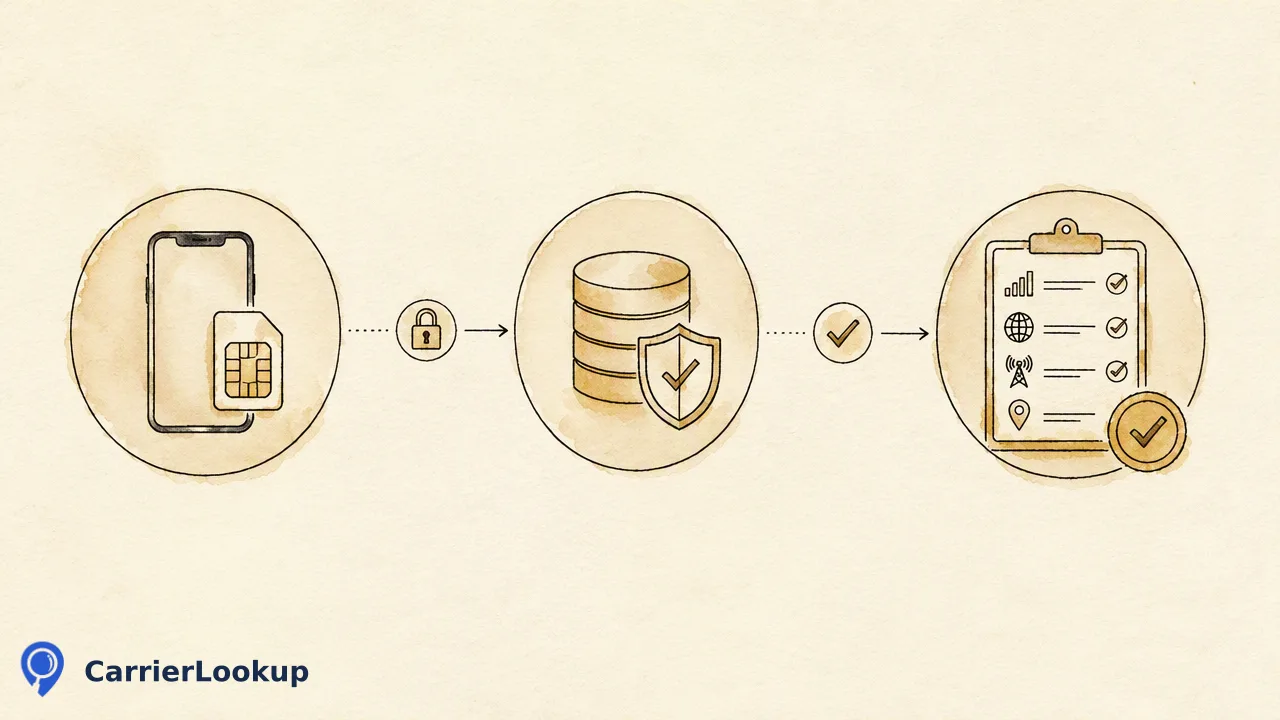
The viral 1TB coffee maker incident highlights how unmonitored connected hardware disrupts networks. Learn how auditing telecommunications allocation data helps teams regain visibility over connected fleets.
The viral discovery of a consumer coffee machine generating 1TB of network traffic in 10 days underscores a persistent challenge in IoT infrastructure management: hardware operating as an uninspected black hole. Connected equipment routinely initiates outbound communication or floods local subnets beyond its primary functional role. Treating smart hardware as a self-contained, set-and-forget asset introduces severe blind spots into operational environments. To establish robust fleet visibility, organizations need proactive verification practices that audit every connected telecommunications identifier against authoritative allocation records, confirming intended line types and geographical assignments across the device inventory.
The Hidden Cost of Unchecked Hardware
A recent viral incident documented by an IT professional revealed that a domestic smart coffee maker broadcast one terabyte of data within ten days, saturating the local access point. While technical analysis showed the bulk of that specific traffic remained contained within the local subnet due to an internal firmware fault, the event serves as an instructive case study for operational infrastructure.
Connected hardware deployed across enterprise environments often initiates continuous telemetry, diagnostic reporting, or unmonitored loopback traffic. When devices encounter unexpected exceptions or misconfigurations, their bandwidth consumption can quickly compromise nearby network components. The core lesson for infrastructure leads is straightforward: hardware lacking independent metadata verification can rapidly transform into an operational blind spot, degrading network stability before automated perimeter monitoring isolates the offending device.
Why Inventory Names Fall Short in Fleet Audits
Many enterprise registries manage device inventories using simple device names, MAC addresses, or custom internal tags. While descriptive labels assist routine administrative tracking, they offer zero validation regarding how an asset connects to external telecommunications networks. Hostnames and configuration labels are easily duplicated, mislabeled during field maintenance, or rendered obsolete after remote firmware revisions.
Telecommunications metadata provides a consistent anchor for auditing connected assets. Identifiers governed by international numbering conventions carry structured telecommunications allocation details, including original allocating carrier and intended line categories. Relying exclusively on self-reported device labels leaves teams blind to whether an asset is utilizing an authorized commercial line or a consumer profile that violates procurement standards.
Structuring Network Baseline Verification
Establishing continuous visibility across connected assets requires systematic ingestion of foundational network attributes. By querying telecommunications registries, teams retrieve vital context that informs internal audit workflows.
| Attribute Field | Operational Audit Value |
|---|---|
| Original Carrier | Establishes the carrier originally assigned to the identifier for contract and baseline validation. |
| Underlying Carrier | Captures secondary infrastructure routing where reported by telecommunications providers. |
| Line Type | Categorizes connectivity profiles to detect unapproved line classifications. |
| Allocation Geography | Details the assigned country, region, and city allocation boundaries for regulatory alignment. |
Original carrier lookup provides allocation context rather than live line reachability. Implementing these checks allows engineering teams to identify configuration drift across device populations without disrupting daily field operations.
Integrating Allocation Data into Device Lifecycles
Proactive IoT infrastructure management embeds carrier data directly into onboarding and periodic governance pipelines. During provisioning, technical teams can validate assigned SIM identifiers against expected carrier profiles before hardware ships to site locations.
Automating this verification supports risk scoring and policy audits across several lifecycle stages:
- Provisioning Validation: Verifying that field hardware utilizes approved line types and allocated geographic territories before activation.
- Discrepancy Triage: Flagging hardware where reported carrier records diverge from enterprise service contracts.
- Scheduled Fleet Audits: Ingesting batch files formatted as TXT or CSV to process large lists of identifiers asynchronously, generating comprehensive baseline reports for compliance teams.
Consistently cross-checking physical device records with allocated telecommunications context prevents rogue or malfunctioning equipment from operating undetected across your network environment.
FAQ
Why does original carrier allocation matter when evaluating device fleets?
Original carrier allocation provides an external, historical baseline for any connected identifier assigned to a deployment. When teams cross-reference hardware registries with original allocation records, they can verify whether identifiers match anticipated carrier contracts and designated operating regions. This helps infrastructure teams spot provisioning errors, anomalous routing profiles, or misplaced endpoints early.
What role does line type metadata play in IoT risk management?
Line type attributes categorize identifiers into distinct operational classes, such as mobile, fixed, or alternative communication paths. Ingesting line type data alongside device inventories allows technical administrators to flag mismatches where hardware communicates across high-cost, unexpected, or unapproved network pathways, supporting tighter policy enforcement.
How can teams verify carrier metadata across large device registries?
Organizations auditing connected devices can evaluate individual numbers programmatically or upload identifier lists for asynchronous processing. Batch carrier tasks accept text or comma-separated lists containing phone numbers formatted under standard international numbering plans, producing consolidated output files that populate allocation geography, original carrier, and line type fields.
Learn More
Choose the product information that fits the next step in your workflow.